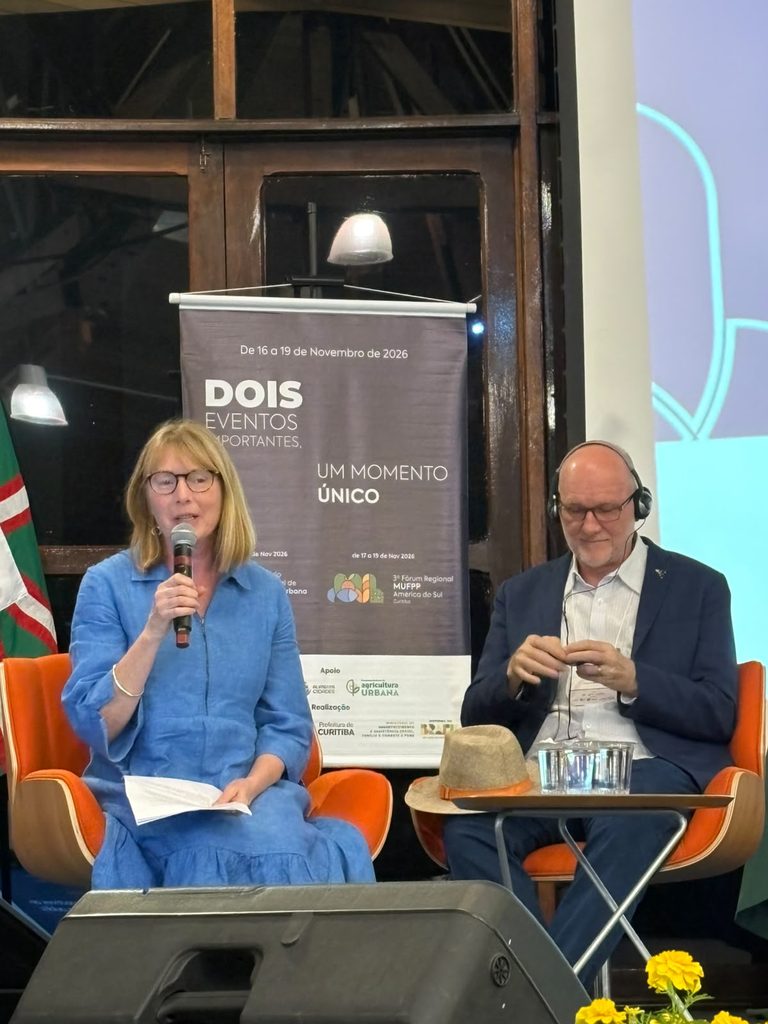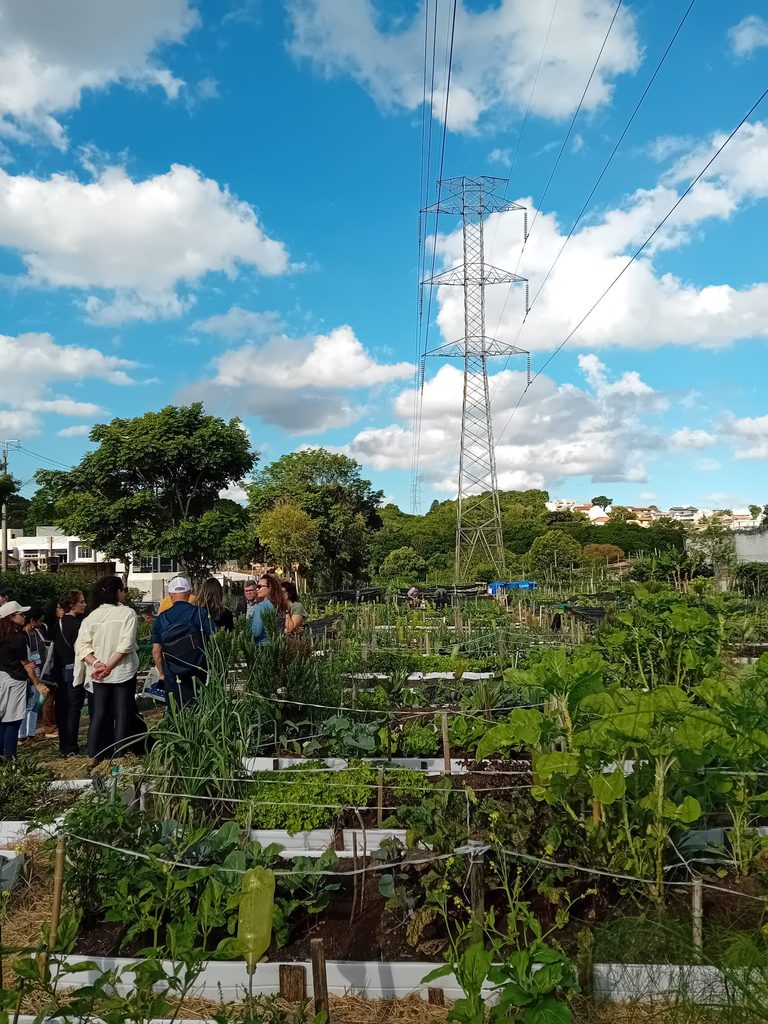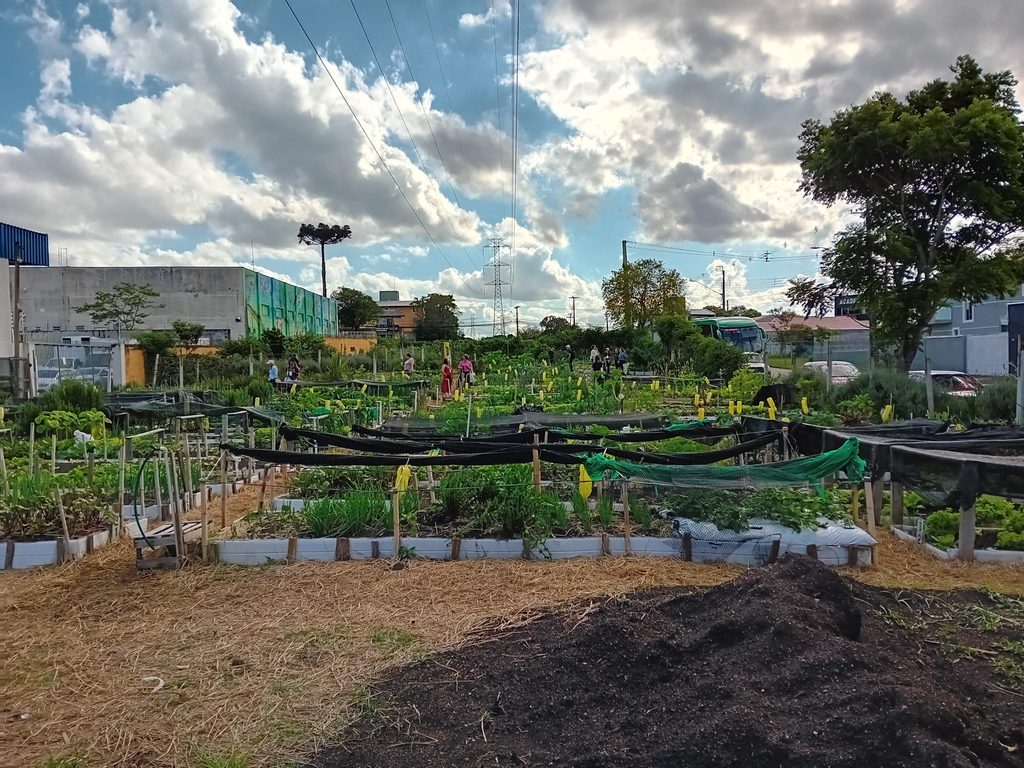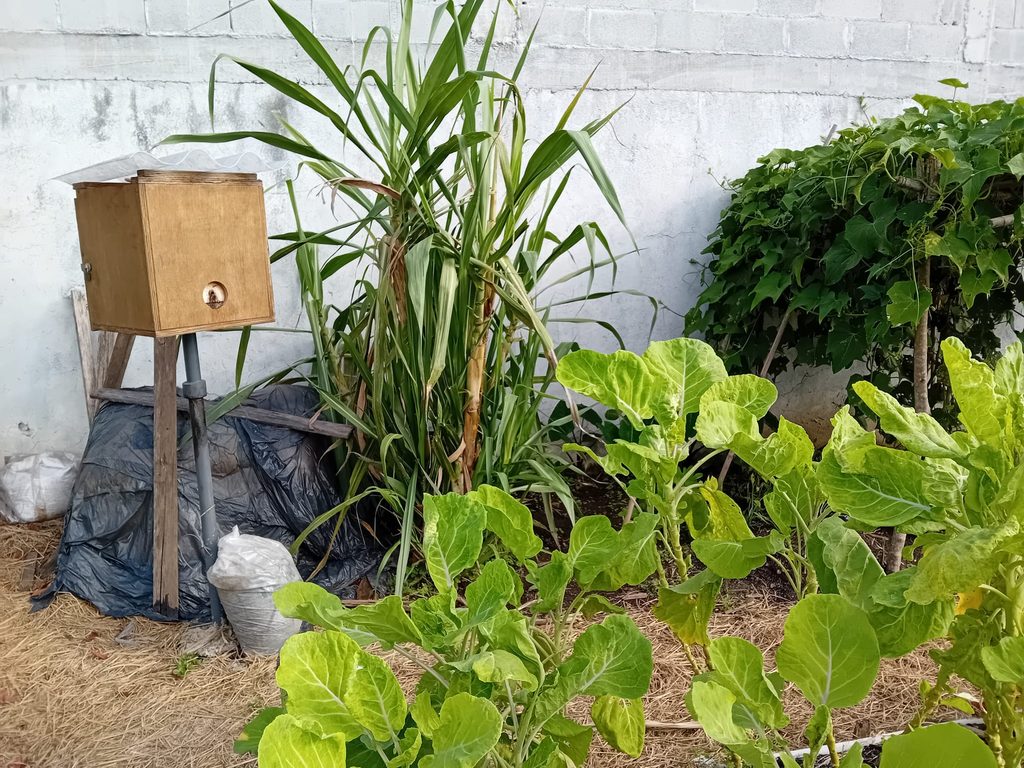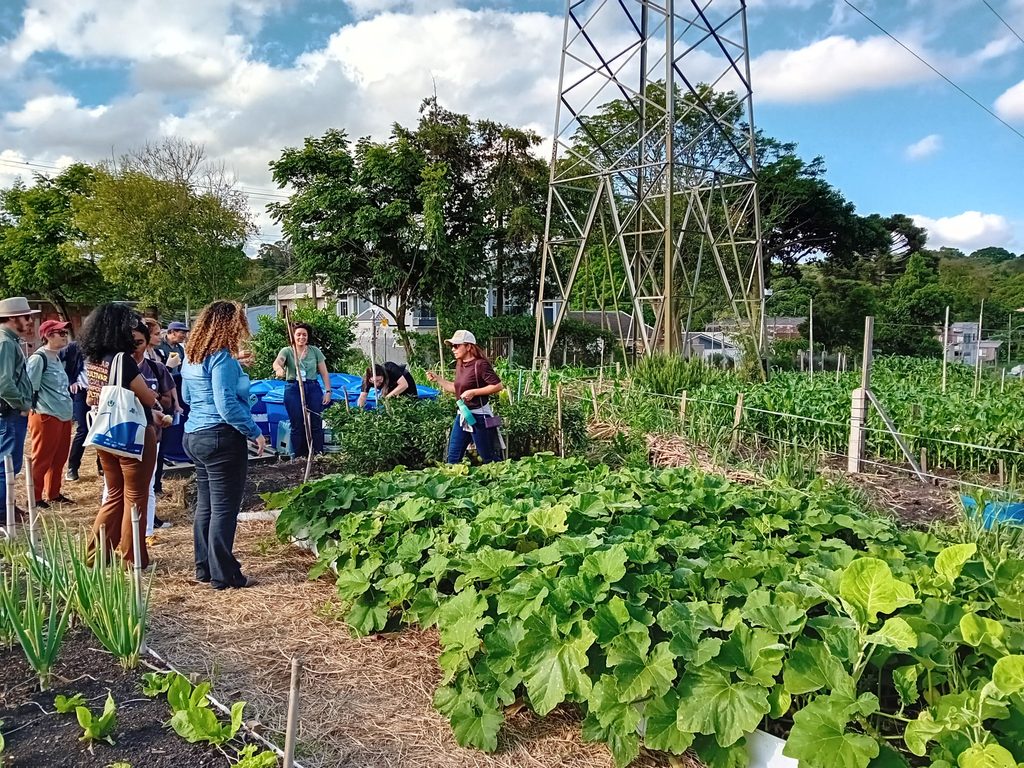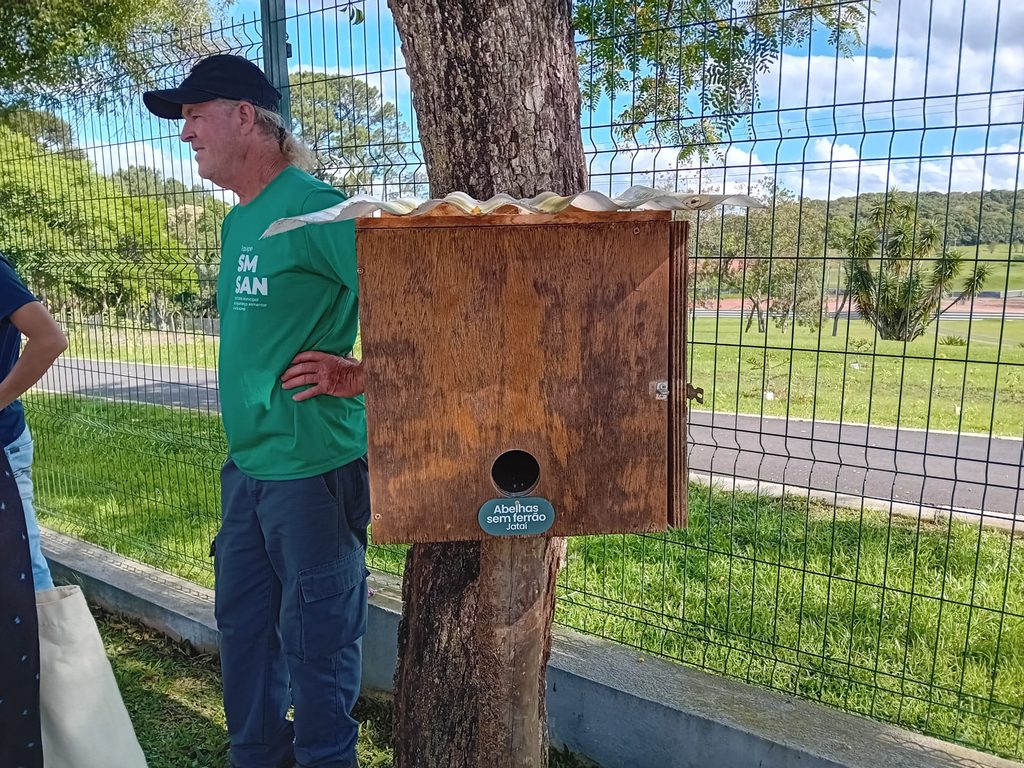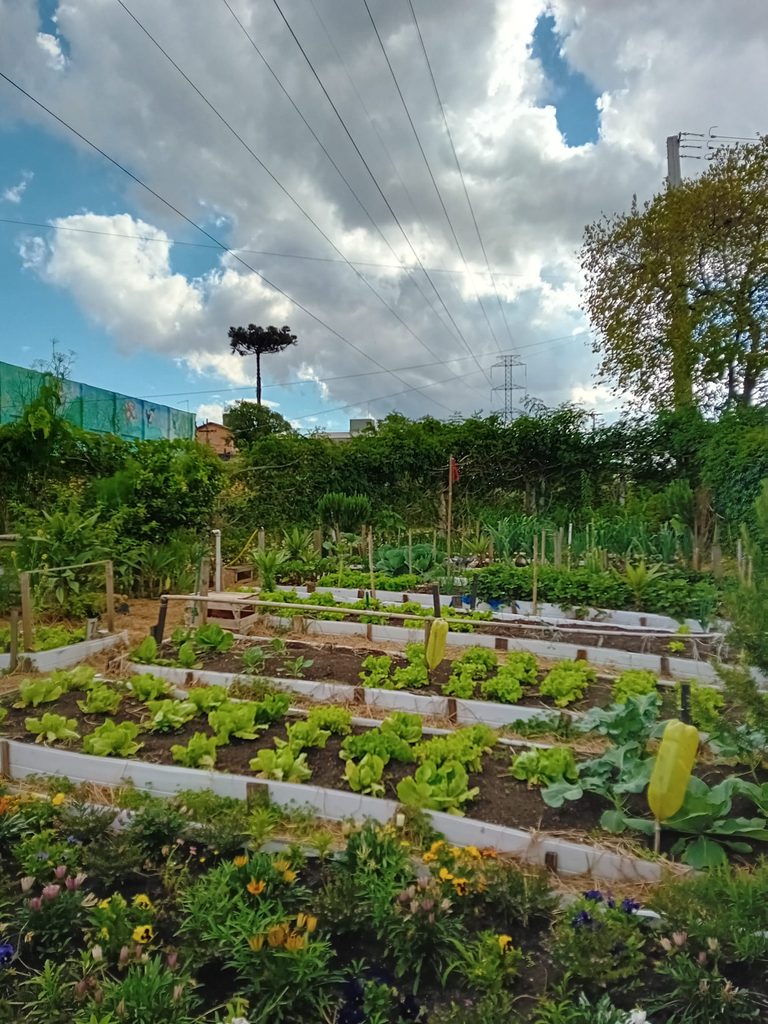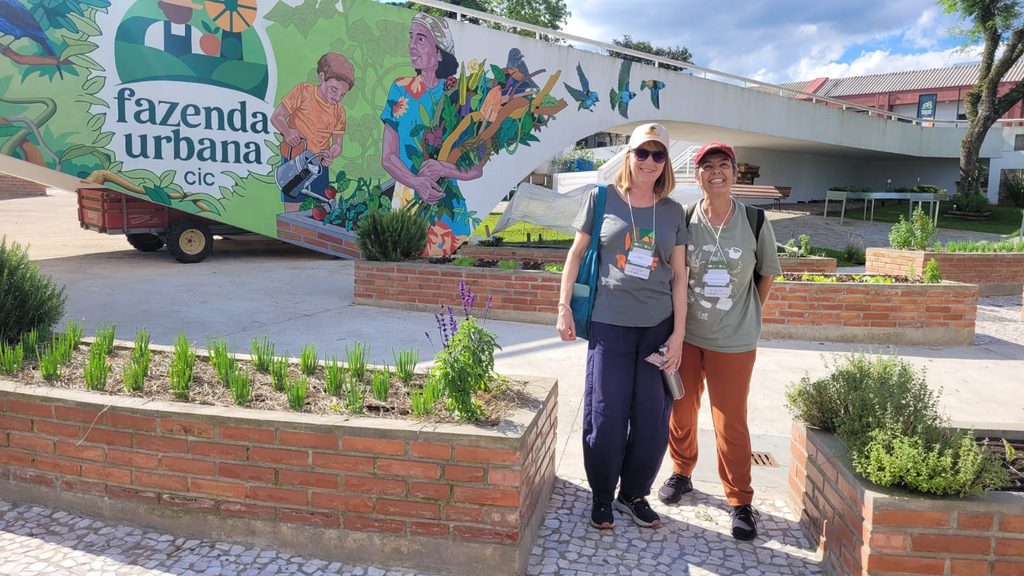
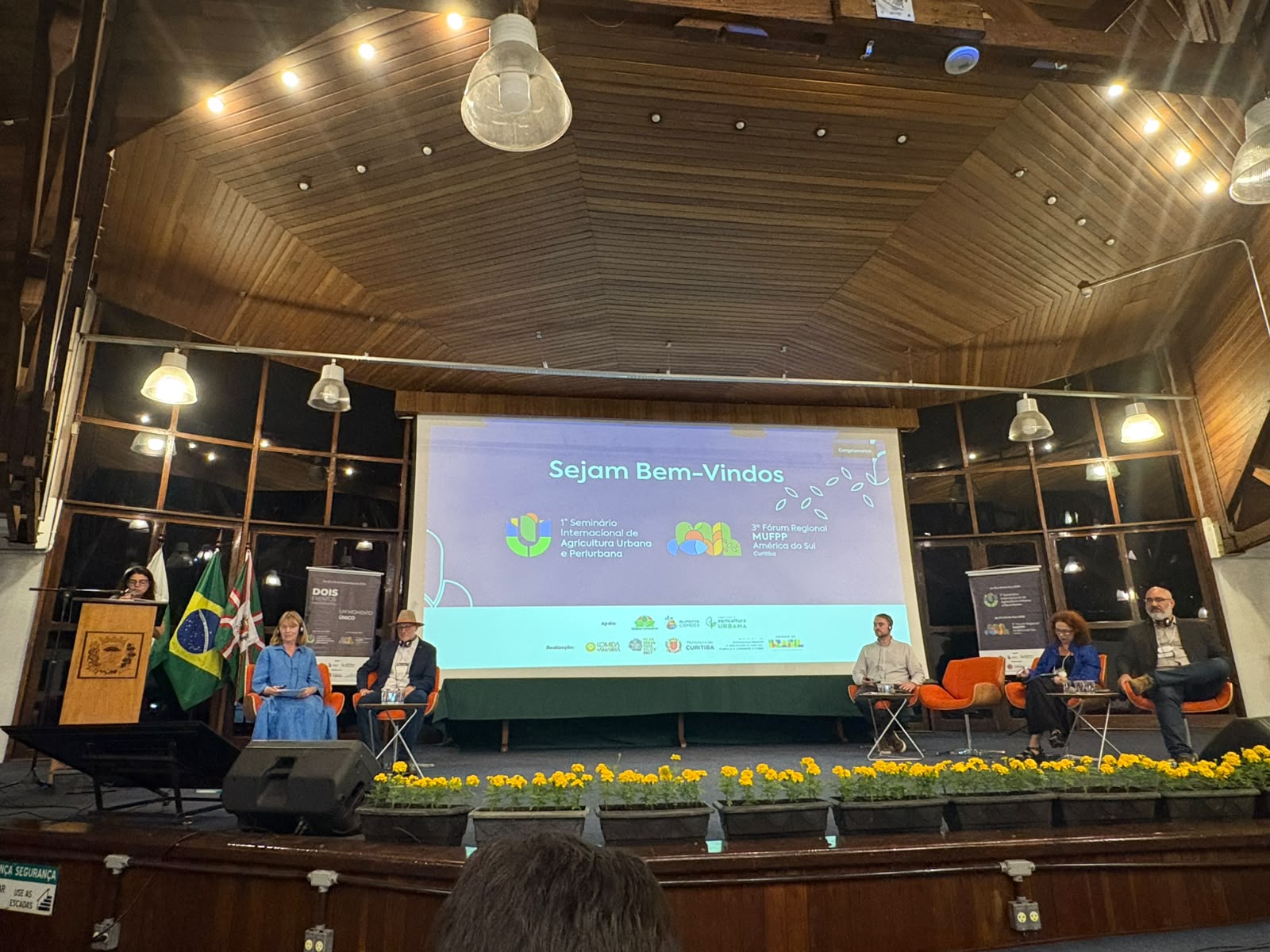
On 16th November, RUAF’s Joy Carey had the honour of giving a keynote address at Brazil’s 1st International Seminar on Urban and Peri-Urban Agriculture, where she highlighted the current opportunity to promote UA to address multiple urban challenges, and the need for global cooperation and shared learning platforms.
The seminar took place in the city of Curitiba at a joint event with the Latin American Forum of the Milan Urban Food Policy Pact. The subject of the keynote was ‘International perspectives on urban agriculture as a public policy response to climate change, food insecurity, urban inequalities and other city challenges.’
The presentation was the occasion to share the initial results of RUAF’s rapid scan to compare dominant entry points for urban agriculture in different regions of the world. We focused on public policy responses – that is, when national, regional/state or local government uses urban agriculture (UA) as a purposeful intervention in response to a recognised urban problem – rather than cases where cities have community gardens thanks to civil society efforts.
To do this, we identified the categories of urban problems related to food and what UA can offer as corresponding solutions and presented them as a circular diagram. The six categories are: incomes and livelihoods; urbanization and loss of land; climate and environment; social and culture; food security; production capacity. The categories of urban problems can be seen as urban agriculture ‘entry points’, understanding that UA brings multiple benefits that reach beyond the initial identified urban problem.
We then sampled a total of 45 urban agriculture policies from around the world (Africa, South & SE Asia, China, Latin America, Cuba, Europe, North America, New Zealand and Australia). For each region, we identified the main purpose of the UA policy, i.e. what challenges or problems are to be addressed by UA, guided by the categories in the diagram.
Our findings give an initial indication of urban agriculture as a purposeful intervention in response to recognized urban problems in different parts of the world, and how entry points are evolving. The findings allowed us to spot trends that we expect to gather pace in the coming years. They include:
• Use of UA to support food security is highly variable and depends on food security levels, Food & Nutrition Security frameworks, and cultural responses to food insecurity.
• There is a rise in the use of UA to address social, health and wellbeing issues, but more inclusivity is needed in shaping policy and programmes to benefit target groups.
• There is a clear rise in use of UA as a climate solution. Often the framing is broad, around ecology, biodiversity and climate adaptation; there is a need to identify specific climate challenges in each location to serve a as a highly focused entry point.
• UA is also increasingly used as a tactic to build food supply resilience in all regions, particularly for relocalising production. There is a need to ensure robust value chains, infrastructure, and ability to meet market demand.
• UA will continue to operate in the context of massive urbanization and land use tensions.
More details of the study findings will be shared in a forthcoming publication.
“There is huge potential for the rest of the world to learn from Latin America about promotion of UA in the context of household food security and community food resilience and also in the adoption of agroecology & food sovereignty approaches and principles that bring climate and social benefits,” reflected Joy, following the seminar.
UA as civic infrastructure
Joy noted how some cities are beginning to ‘make UA part of civic infrastructure’. Among the cases she presented were Bandung, Indonesia and Bulawayo, Zimbabwe, where local partners in the Urban Futures programme (led by Hivos and Humanis, in which RUAF is a global partner) have been instrumental in policy and/or programme development.
UA as civic infrastructure is also the central topic of a recent report by the US Urban Agriculture Directors Alliance (UADA), which sees the shift from niche programming of UA to a routine part of local government operations as the next step – where jurisdictions recognize that farms and gardens serve multiple agendas: food security, climate adaptation, public health, economic opportunity, waste management and community resilience.
This shift is significant because infrastructure is treated differently from programming: governments plan for it, assign responsibility, fund it and evaluate it by the public functions it performs.
Take-aways for action
We conclude that now is the time to make a noise about urban agriculture, as it can contribute to so many emerging challenges. There is huge potential to make UA part of civic infrastructure. We need resources for shared learning platforms, and a learning agenda to bring newcomers up to speed.
We strongly encourage all UA practitioners and supporters to:
1. Be active advocates seeking out policy opportunities; vigilant for emerging barriers.
2. Share local experience with national & global networks (RUAF, MUFPP, UNEP, FAO) to strengthen support.
3. Demonstrate impact by developing clear outcome-level indicators on the multiple benefits of UA